First scan free · Nothing to install
Calorie scanner for any food
Scan a barcode and read the manufacturer’s own nutrition panel. Photograph a plate that has no barcode and let the AI estimate it. Calories, protein, carbs and fat — in seconds, in your browser. Your first scan is free.
- Products
- 3 million
- From
- $5.00/mo
- Time per scan
- ~2 sec
Greek Yoghurt, 0% Fat
170 g pot · scanned
100 kcal
- Protein17 g(69%)
- Carbs6.1 g(25%)
- Fat0.7 g(6%)
How it works
Four steps, about a minute
Sign in with Google, point the camera, check the portion. Your first scan is free and no card is asked for.
- 1
Abra o scanner e faça login
Vá até a página de escaneamento em qualquer navegador e entre com o Google — um toque, nenhum cartão. Não há nada para baixar, e o scanner funciona em celular, tablet ou notebook.
- 2
Aponte para um código de barras, ou fotografe o prato
Segure o código de barras a 10–20 centímetros da lente com luz razoável. Para um alimento sem código — um prato cozido, uma refeição em restaurante — fotografe e a IA estimará cada item.
- 3
Confira a porção
O scanner parte da porção indicada pelo fabricante e mostra quanto ela pesa. Altere os gramas se você come mais ou menos, e cada valor se atualiza junto.
- 4
Leia a tabela, ou registre
Calorias, proteínas, carboidratos, gorduras, fibras, açúcares e sódio para a sua porção. Acrescente ao diário do dia se você acompanha, ou feche a aba se só queria saber.
Barcode scanning
The most accurate number you can get
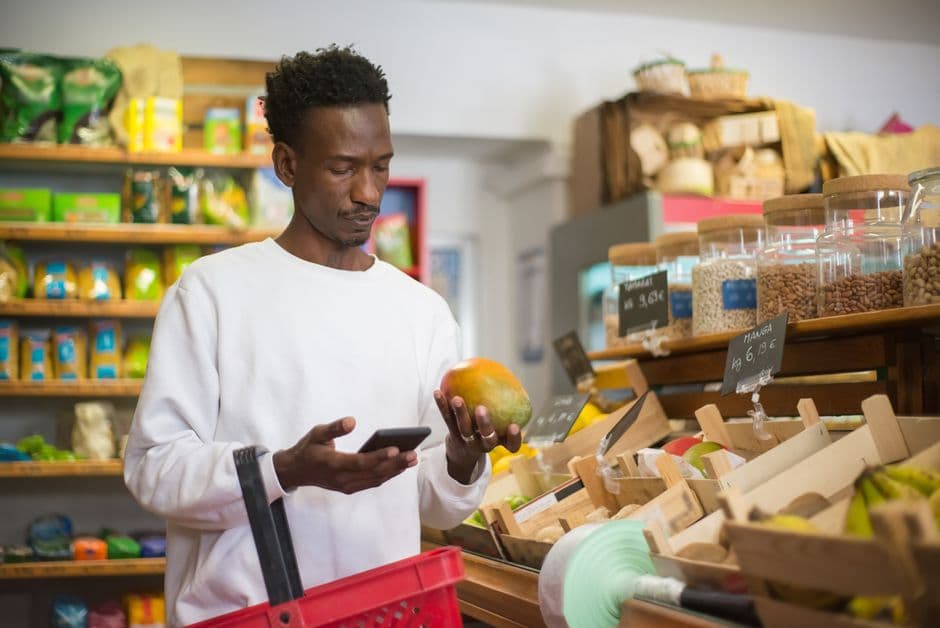
A barcode scan is not an estimate. It returns the panel the manufacturer declared for that exact product.
The code is just a number
Those stripes hold no nutrition data at all — 13 digits in Europe, 12 in North America. Everything you see comes from matching that number against a database, which is why an unknown product returns nothing even though the scan worked perfectly.
Open, not proprietary
Product data comes from Open Food Facts, published under an open licence. We name our source because a nutrition figure you cannot trace is a nutrition figure you cannot check.
It admits what it does not know
A scanner that quietly returns a similar-sounding product will corrupt a week of logging. When a barcode is unknown, this one says so and offers manual entry instead.
AI photo scanning
For the food that has no label
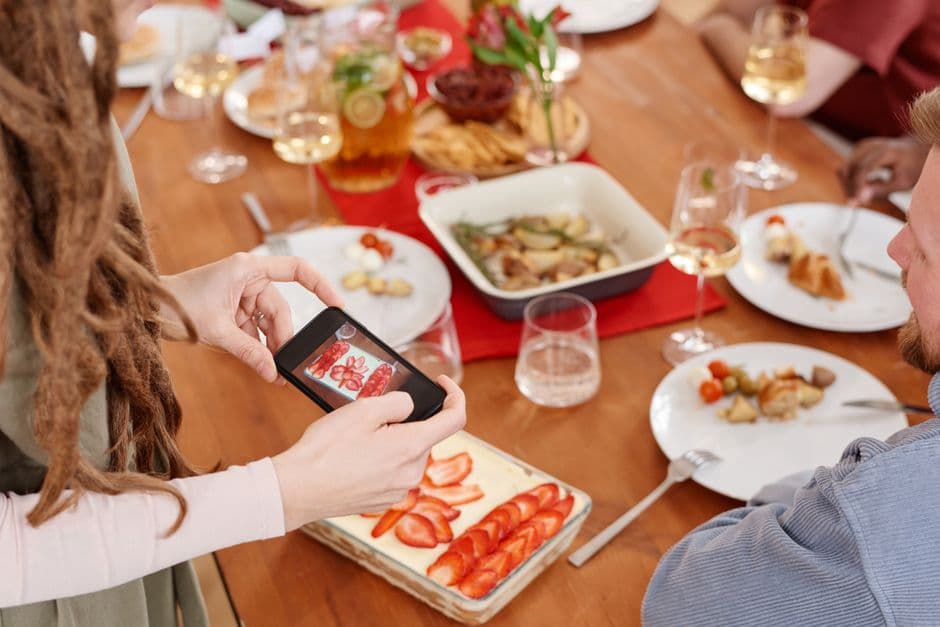
Most of what people actually eat — a cooked dinner, a restaurant plate, a canteen tray — carries no barcode at all.
The model works through four questions in order: what foods are present, how each was prepared, how much of each there is in grams, and what the macros are for that weight.
The third question is the one that matters, and it is why we show you the portion weight the AI assumed rather than hiding it behind a tidy calorie figure. A number with no stated portion behind it cannot be corrected — you have no idea whether it thought your bowl held 150 g of rice or 400 g.
The four things it reliably gets wrong
- Cooking fat you cannot see. A chicken breast fried in two tablespoons of oil looks like a grilled one and carries ~240 more calories.
- Anything hidden underneath. Rice beneath a curry, butter melted into a potato. One viewpoint cannot see through food.
- Dense versus airy foods. A croissant and a bread roll occupy similar space and differ by about 40%.
- Liquids in opaque cups. A mug is 2 calories of black coffee or 120 of latte, and the photo is identical.
Three of those four are fixed by one short note alongside the photo. “Fried in butter, rice underneath” moves an estimate further than a better camera ever would.
Accuracy
How wrong is it, honestly
Every calorie tool implies a precision it does not have. Here are the real error bars.
| Method | Typical error | Direction |
|---|---|---|
| Barcode scan | ±10–20% | Either way |
| Weighed + database lookup | ±10% | Either way |
| AI photo estimate | ±15–25% | Slightly low |
| Eyeballed and hand-logged | −20 to −40% | Consistently low |
The last row is the one that reframes everything. Self-reported intake is not merely imprecise, it is biased: studies using doubly labelled water consistently find people under-report by 20–40%, and the gap is largest for exactly the foods you would most want recorded.
So an AI estimate that is 20% out in an unpredictable direction is not worse than a human estimate that is 30% out in a predictable one. It is better, because unbiased error averages out across a week and biased error does not.
None of which makes any single figure exact. Treat 187 calories as “about 190”, judge the week rather than the day, and the numbers will carry the weight you are putting on them.
Portions
The error that dwarfs all the others
Database figures are per 100 g. Your bowl is not 100 g. This single gap causes more logging error than every technical limitation combined.
| Food | Label serving | Typical real portion |
|---|---|---|
| Breakfast cereal | 30 g | 60–80 g |
| Pasta, dry | 75 g | 100–125 g |
| Cooking oil | 1 tsp (5 ml) | 1–2 tbsp (15–30 ml) |
| Peanut butter | 15 g | 30–40 g |
| Crisps | 25–30 g | Often the whole bag |
| Cheese | 30 g | 50–60 g |
| Wine | 125 ml | 175–250 ml |
Macros
Calories are half the story
Two 400-calorie lunches can be completely different meals. Protein, carbohydrate and fat are free on every scan here.
Protein · 4 kcal/g
The most satiating macronutrient per calorie and the one that protects muscle in a deficit. Aim for roughly 1.6 g per kg of body weight if you are losing weight.
Carbohydrate · 4 kcal/g
Fuels higher-intensity work and refills glycogen. The flexible macro — it takes whatever calories are left after protein and fat are set.
Fat · 9 kcal/g
More than double the others per gram, so it drives the calorie figure more than anything else. Set a floor of about 0.6 g per kg rather than a target.
A typical scan result, shown as a macro split
Greek yoghurt, 0% fat — 170 g pot
- Protein17 g(69%)
- Carbs6.1 g(25%)
- Fat0.7 g(6%)
Reading labels
What each line on the panel means
kcal and kJ
European labels lead with kilojoules; the number most people mean by “calories” is the kcal figure. One kcal is 4.184 kJ, so dividing kJ by 4 gets you close enough for an aisle. Both are shown on every scan.
Carbohydrate differs by region
EU and UK labels declare carbohydrate excluding fibre. US labels include it. The same food therefore shows a higher carbohydrate figure on a US label without either being wrong — and that difference is exactly where the idea of “net carbs” comes from.
Salt and sodium
Two ways of saying one thing: salt equals sodium × 2.5. UK and EU labels declare salt, US labels declare sodium in milligrams. Where a record holds only one, we convert and say we have.
Nutri-Score is a within-category tool
An A-to-E grade weighing energy, saturated fat, sugar and salt against protein, fibre and fruit-and-vegetable content. A cheese scoring D is not worse than a diet cola scoring B in any sense that matters to someone planning dinner. Use it to choose between two cereals, not between a cereal and a yoghurt.
Labels are allowed to be wrong
Both US and EU regulations tolerate roughly 20% deviation between declared and actual values. The scanner reproduces the label exactly; the label is itself an approximation of the food.
Reference
Calories in common foods, per 100 g
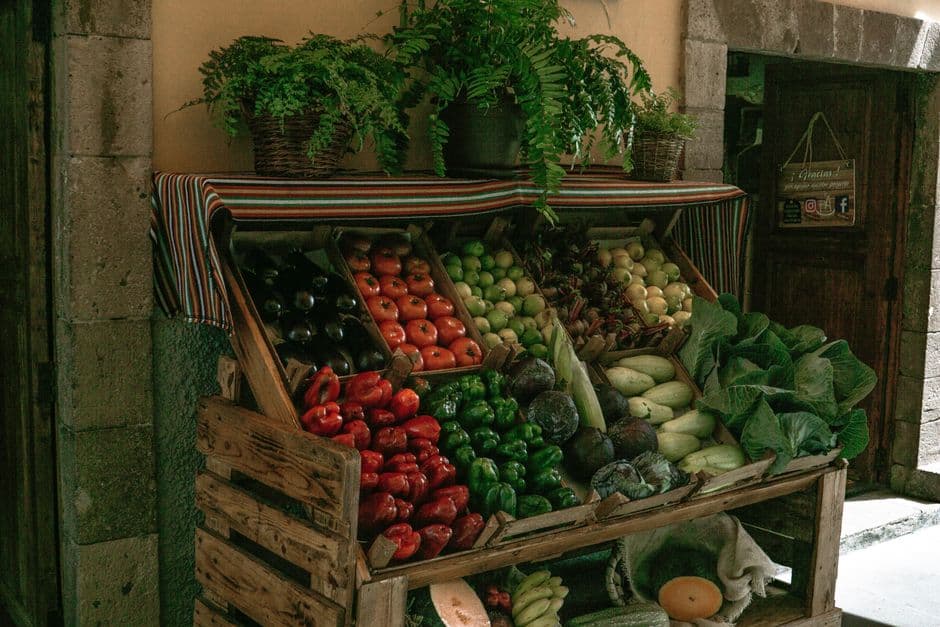
Figures from USDA FoodData Central, the standard source for unbranded whole foods. Useful for the things that never had a barcode.
| Food (per 100 g) | kcal | Protein | Carbs | Fat |
|---|---|---|---|---|
| Chicken breast, cooked, skinless | 165 | 31 g | 0 g | 3.6 g |
| Salmon, cooked | 206 | 22 g | 0 g | 12 g |
| Egg, whole, boiled | 155 | 13 g | 1.1 g | 11 g |
| White rice, cooked | 130 | 2.7 g | 28 g | 0.3 g |
| Pasta, cooked | 158 | 5.8 g | 31 g | 0.9 g |
| Potato, boiled | 87 | 1.9 g | 20 g | 0.1 g |
| Bread, wholemeal | 247 | 13 g | 41 g | 3.4 g |
| Oats, dry | 389 | 17 g | 66 g | 6.9 g |
| Greek yoghurt, 0% fat | 59 | 10 g | 3.6 g | 0.4 g |
| Cheddar cheese | 403 | 25 g | 1.3 g | 33 g |
| Banana | 89 | 1.1 g | 23 g | 0.3 g |
| Apple, with skin | 52 | 0.3 g | 14 g | 0.2 g |
| Broccoli, cooked | 35 | 2.4 g | 7.2 g | 0.4 g |
| Almonds | 579 | 21 g | 22 g | 50 g |
| Olive oil | 884 | 0 g | 0 g | 100 g |
| Lentils, cooked | 116 | 9 g | 20 g | 0.4 g |
Cooked figures refer to the food after cooking. Weighing cooked pasta against a dry-weight entry roughly doubles your logged calories, so match the state of the food to the state of the entry.
In practice
What a calorie scanner actually gets used for
Packets, plates, produce and the things that trip people up — with the method that suits each one.
Scan the barcode and the nutrition panel comes back in about two seconds.
Photo: Kampus Production
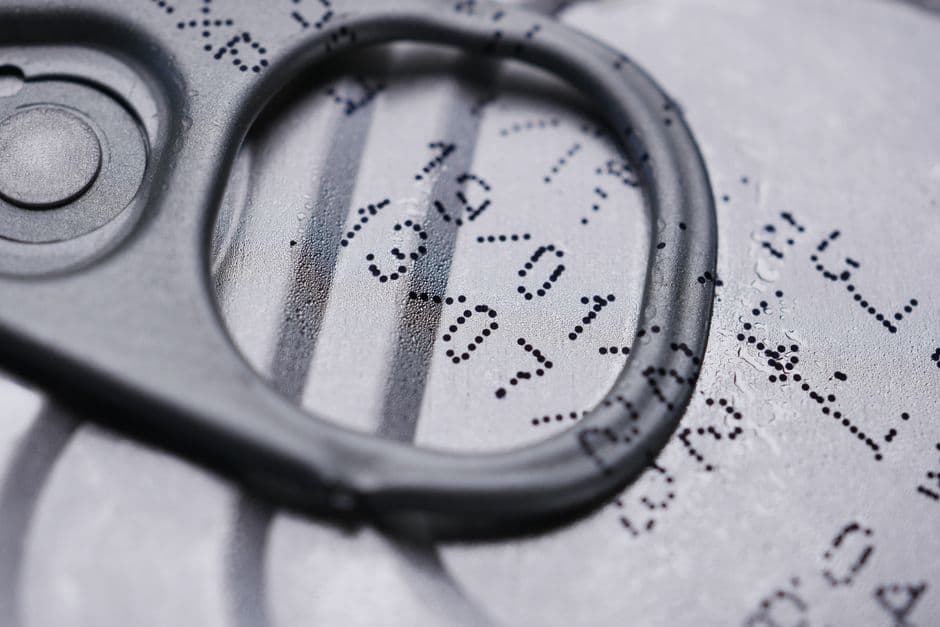
The scanner returns the whole panel, not just the calorie line.
Photo: Towfiqu barbhuiya
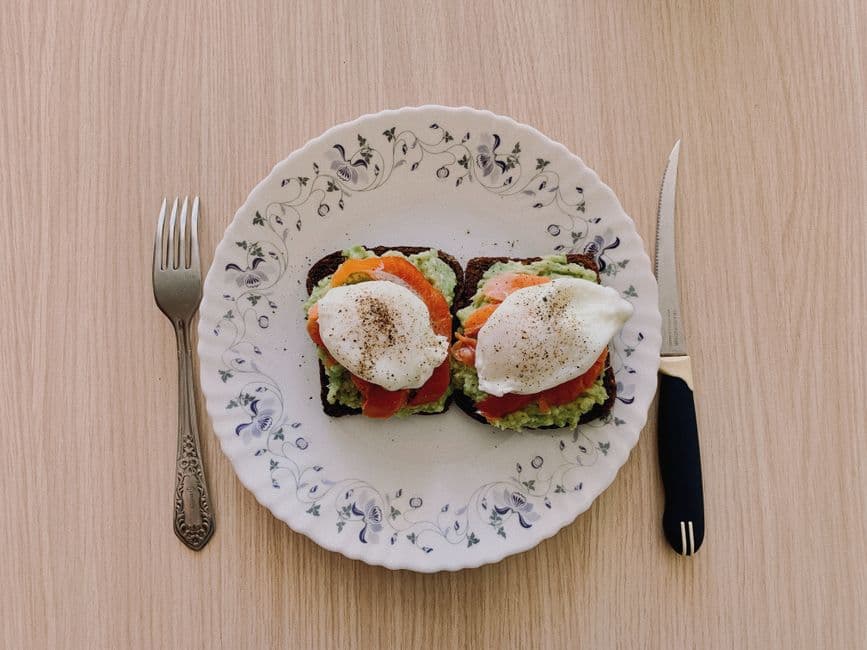
No barcode on a cooked breakfast — photograph it and let the AI estimate it.
Photo: Elena Golovchenko
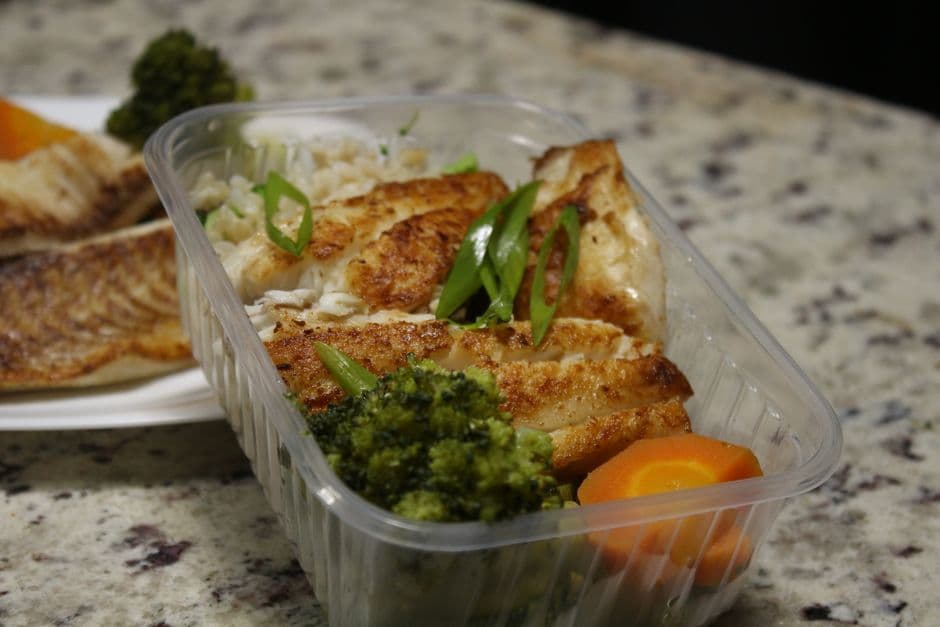
Log a recipe once and reuse it every time you batch cook.
Photo: Gustavo Santana
One week of weighing calibrates your eye more or less permanently.
Photo: Lina Kivaka
Fresh produce has no barcode — search it by name and weigh it.
Photo: ANA TINCA
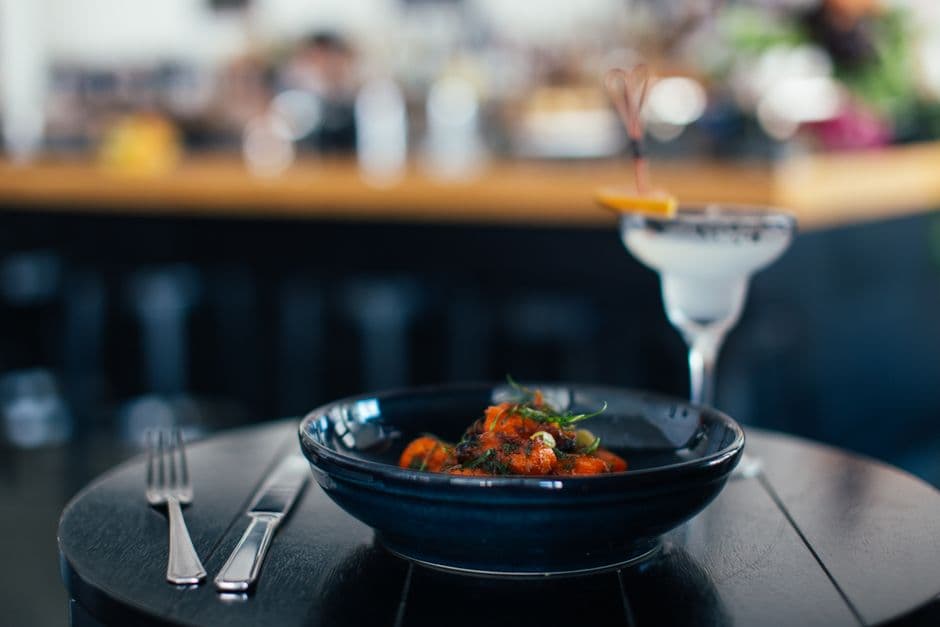
Restaurant cooking uses more fat than you think, so estimates read low.
Photo: Rachel Claire
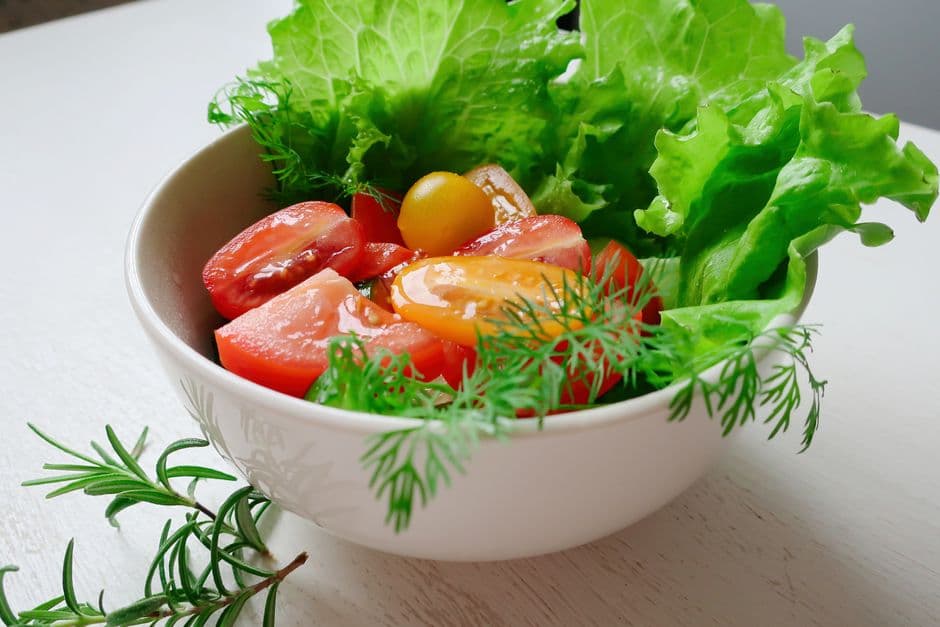
A dressed salad can be four times the calories of an undressed one.
Photo: Asya Vlasova
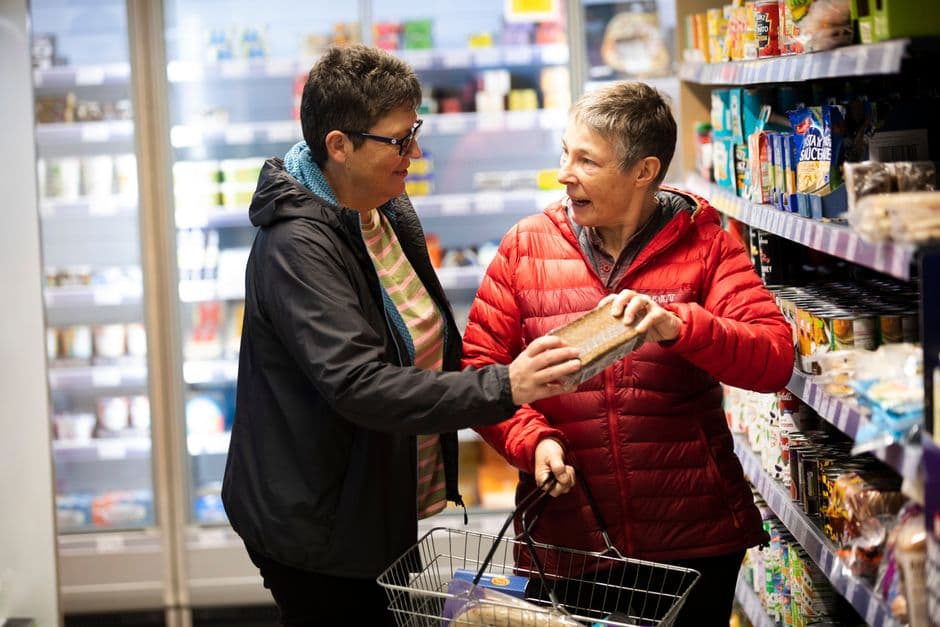
Around three million packaged products are in the database.
Photo: Centre for Ageing Better
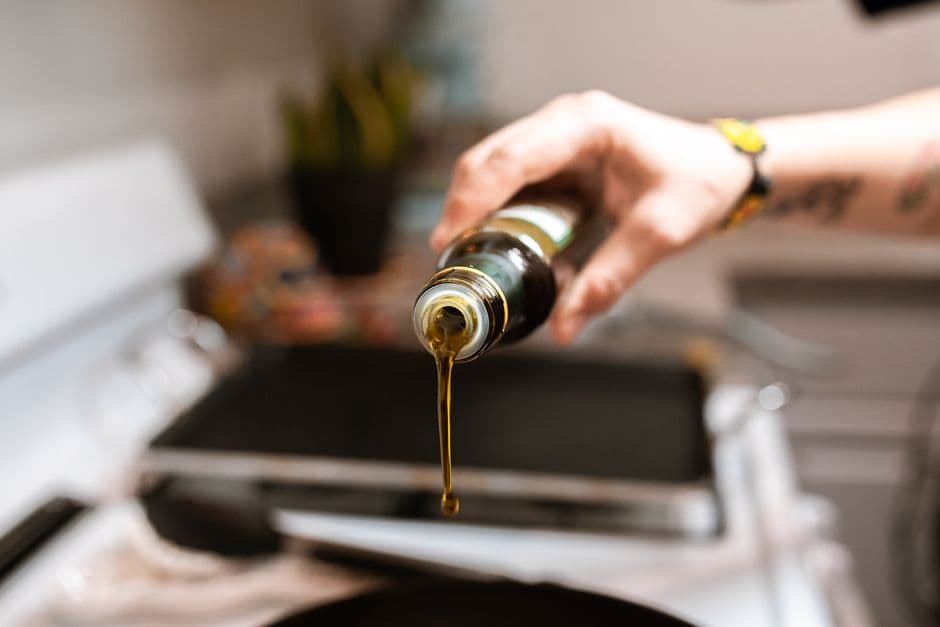
A tablespoon of oil is about 120 calories, and it ends up in the food.
Photo: RDNE Stock project
Photograph the plate before you start, at about 45 degrees.
Photo: Cedric Fauntleroy
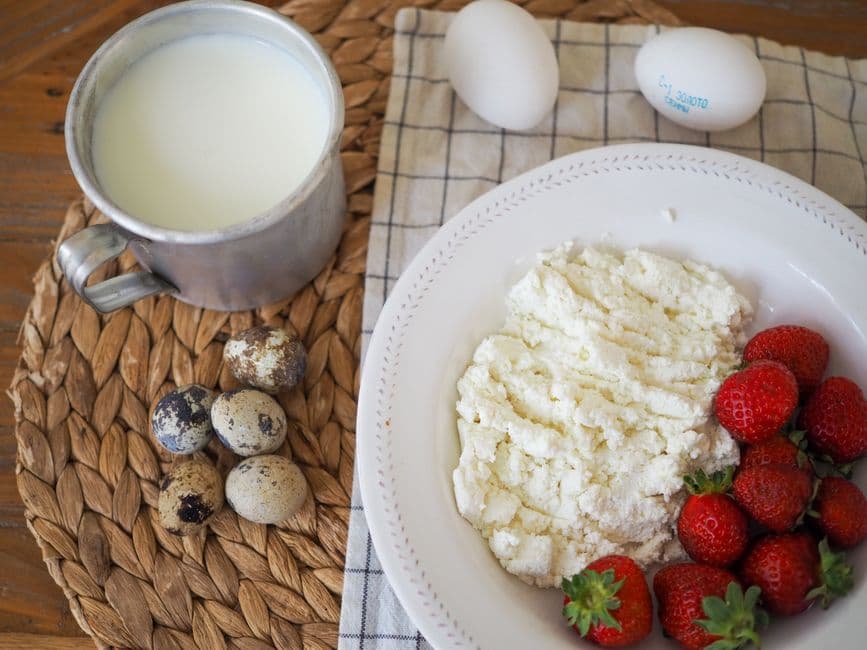
Protein is the macro most people are short on, and the most filling.
Photo: Viktorya Sergeeva 🫂
What people use it for
From one question to a fortnight of pattern
Decidir no corredor
Dois produtos parecidos, uma decisão. Escaneie os dois e compare as tabelas lado a lado antes que um vá para o carrinho.
Cozinhar em casa
Escaneie os ingredientes conforme usa. É cozinhando em casa que o registro fica mais preciso, porque você vê tudo que foi para a panela.
Comer fora
Sem código de barras, sem lista de ingredientes. Fotografe o prato e receba uma estimativa — e espere que ela saia um pouco baixa, porque cozinhas de restaurante são generosas com a gordura.
Bater uma meta de proteína
As calorias são a parte fácil. A proteína por porção decide se um lanche traz alguma coisa, e ela aparece em cada escaneamento.
Vigiar o sal ou o açúcar
A tabela completa, não só a energia. Sódio, açúcares e gorduras saturadas são exibidos para a porção que você escolheu.
Encontrar a tendência
Quinze dias de registro mostram qual refeição descarrila e onde a semana vira. É essa a parte que muda alguma coisa.
Pricing
One free scan, then from $5.00 a month
Every scan costs us an upstream call — a food-database lookup or an AI vision request — so scanning is the part that is paid for. Reading this site never is.
Free
$0
One scan, so you can try it on your own food before deciding. Full nutrition panel and all macros — there is no second paywall inside a scan.
Yearly — best value
$59.99/year
Unlimited barcode, photo and search scanning. Works out at $5.00 a month — a 75% saving on the monthly price.
Monthly
$19.99/month
The same unlimited scanning, billed monthly. Cancel any time from your account page, in two clicks. A $7.99 weekly option is on the pricing page if you only want to track for a short stretch.
All of them
Macros on every scan
Protein, carbs, fat, fibre, sugar, sodium
Zero
Adverts
Your diary is not the product
Two clicks
To cancel or delete
Export your data first, if you want it
Compared
Against the apps you already know
We make one of these, so check the claims. We take no payment for inclusion and no affiliate commission.
| App | Scanning free? | Macros free? | Account needed? |
|---|---|---|---|
| Calorie Scanner | Yes, unlimited | Yes | No |
| MyFitnessPal | No — Premium since 2022 | Limited | Yes |
| FatSecret | Yes | Yes | Yes |
| Cronometer | Yes | Yes | Yes |
| Lifesum | Yes | Percentages only | Yes |
| MyNetDiary | Yes | Yes | Yes |
Guides
Everything else about calorie scanning
Calorie scanner app
What it does, and why it needs no install.
Read →AI calorie scanner
Photograph a plate, get the macros.
Read →Calorie barcode scanner
Point at a label, read the panel back.
Read →Food scanner for calories
Packaged, fresh and restaurant food.
Read →Nutrition facts scanner
The whole panel, not just the number.
Read →Free calorie scanner app
What costs nothing, and what does not.
Read →Calorie scanner online
Scan in a browser, no download.
Read →Free counter with barcode scanner
Counting without the subscription.
Read →kcal scanner
Metric labels, kJ and kcal together.
Read →Calorie counter with scanner
Scan, log, and watch the day add up.
Read →Calorie tracker with scanner
A diary that fills itself in.
Read →Food tracker with scanner
Meals, days and weekly patterns.
Read →Macro tracker with scanner
Protein, carbs and fat, not just kcal.
Read →Calorie calculator scanner
Portions, recipes and per-100g maths.
Read →Best apps with a barcode scanner
Eight scanners, honestly compared.
Read →MyFitnessPal barcode scanner
What went behind the paywall, and when.
Read →FatSecret barcode scanner
Free, ad-supported, and how it scans.
Read →Lifesum barcode scanner
Design-led tracking and its limits.
Read →MyNetDiary barcode scanner
The database-first alternative.
Read →Latest
From the blog
How Accurate Are Calorie Scanners, Really?
Barcode scans, AI photo estimates and hand-logging measured against each other — with the error bars nobody puts on the marketing page.
Read →How to Scan Food for Calories: A Practical Guide
Barcodes, plates and fresh produce — which method suits which food, and the habits that make the numbers worth having.
Read →The Foods Calorie Scanners Get Wrong
Nine foods where scanning misleads — and what to do instead for each one.
Read →FAQ
Calorie scanner questions
O que é um scanner de calorias?
O scanner de calorias é grátis?
É preciso baixar um aplicativo?
Por que preciso fazer login para escanear?
Qual a precisão de um scanner de calorias?
Por que meu código de barras é lido mas não devolve calorias?
Posso escanear um alimento sem código de barras?
De onde vêm os dados nutricionais?
O scanner mostra proteínas, carboidratos e gorduras?
Funciona no iPhone?
O que acontece com as fotos das minhas refeições?
Posso usar o scanner sem criar conta?
Quantos produtos o banco de dados tem?
Um scanner de calorias detecta fritura?
O scanner funciona offline?
Um scanner de calorias é preciso o bastante para perder peso?
Posso escanear o rótulo nutricional em vez do código de barras?
O que é o Nutri-Score e devo usá-lo?
Posso cancelar, exportar meus dados ou apagar minha conta?
Isso é orientação médica?
Scan the nearest thing in your kitchen
Your first scan is free, no card is asked for, and there is nothing to install. It takes about ten seconds.
Scan a food free