The Foods Calorie Scanners Get Wrong
·8 min read
Calorie scanners are good at packaged food and progressively worse the further you get from a label. Here are the nine cases where they mislead, and what to do about each.
1. Anything fried
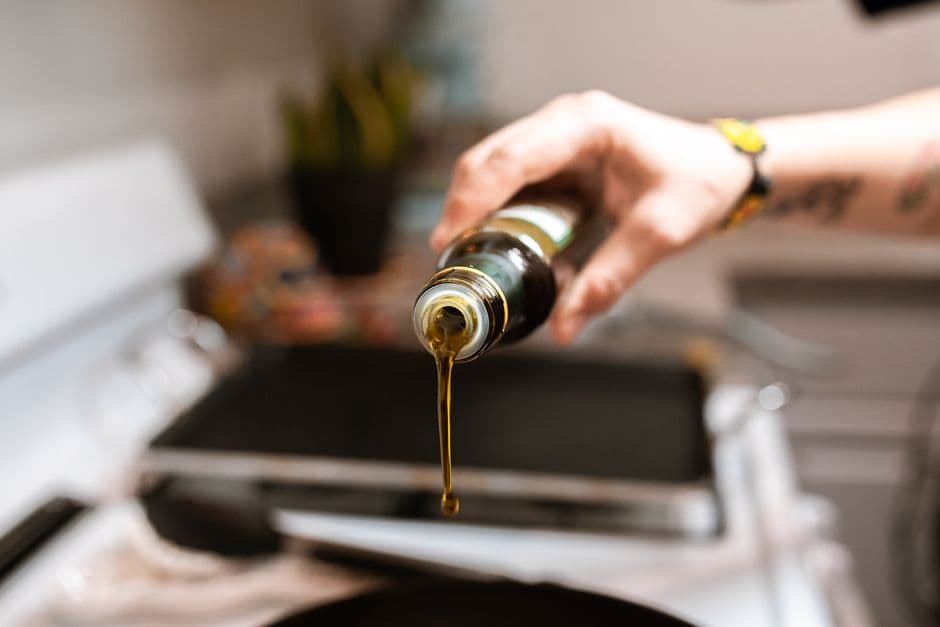
The biggest one. Oil absorbed during cooking is physically in the food and invisible in a photograph. A chicken breast pan-fried in two tablespoons carries about 240 calories that no image analysis can detect.
Do instead: log the oil separately as an ingredient, or tell the scanner in a note. Roughly half the oil in the pan ends up in the food for shallow frying; more for breaded items.
2. Salad dressing
A large salad is 80 calories. The same salad dressed is 300. The dressing is the meal, caloricly speaking, and it is nearly invisible — a slight sheen on a leaf.
Do instead: log dressing separately, always. Ask for it on the side when eating out, which turns an unknown into a decision.
3. Coffee shop drinks
Black coffee is 2 calories. A large flavoured latte is 400. The cup looks identical and people routinely log the first while drinking the second.
Do instead: use the chain's published figures, which are usually accurate and easy to find. Milk type and syrup pumps are the two variables that matter.
4. Deli-counter and weighed items
Barcodes beginning 02 or 20–29 are shop-internal. They encode a price, not a product, and mean something different in every branch. Nothing to look up.
Do instead: search the food by name and weigh your portion.
5. Multipack outer boxes
Scanning the box of a six-pack may return figures for the whole box rather than one unit. A 900-calorie "yoghurt" is the giveaway.
Do instead: check the stated serving size against what you are eating. Scan the individual item where it carries its own code.
6. Own-brand and regional products
Crowd-sourced databases are patchy on supermarket own-brands, and the same brand can carry different recipes and different barcodes by country. A scan may return a plausible record for a different market's formulation.
Do instead: sanity-check against the packet. If the figures differ, believe the packet — and consider correcting the record upstream so the next person gets it right.
7. Raw versus cooked weights
The error that catches everyone. 100 g of dry pasta becomes about 250 g cooked with no change in calories. Weigh cooked pasta against a dry-weight entry and you have roughly doubled your logged intake.
Do instead: match states. Weigh raw and use a raw entry, or weigh cooked and use a cooked entry. Meat goes the other way, losing about a quarter of its weight.
8. Homemade baking
A photograph cannot tell you how much butter and sugar went into a cake, and portion sizes of home baking vary enormously.
Do instead: calculate the whole batch from ingredients once, weigh the finished item, then weigh your slice and take that fraction. More accurate than any per-slice guess and reusable.
9. Alcohol
About 7 calories per gram, second only to fat, and almost always forgotten. A large glass of wine is 200 calories; a few pints of beer is a meal.
Do instead: scan the bottle or can and log the actual pour, not the "standard" measure. Home pours are consistently larger than bar measures.
The pattern
Every failure above comes from one of three things: fat you cannot see, a portion that differs from the assumed one, or a database entry that is not quite the food in your hand.
Which gives you three habits that fix nearly all of it. Log added fats separately. Check the portion the scanner assumed. Sanity-check a figure against the packet when it looks wrong.
None of those requires a better scanner. They require knowing where the numbers come from — which, once you do, makes a ±20% estimate genuinely useful rather than quietly misleading.
Try the scanner, and see the food scanner guide for which method suits which food.
Keep reading
More guides
How Accurate Are Calorie Scanners, Really?
Barcode scans, AI photo estimates and hand-logging measured against each other — with the error bars nobody puts on the marketing page.
Read →How to Scan Food for Calories: A Practical Guide
Barcodes, plates and fresh produce — which method suits which food, and the habits that make the numbers worth having.
Read →